OCTOBER 26–28, 2026 | Chicago, Illinois
An invitation to integrate spiritual depth, critical inquiry,
and communal practices that foster healing and hope for transformative ministry
How can theological education become a force for healing and transformation in a traumatized world?
Disrupting Trauma highlights the power and promise of theological formation to integrate spirituality and interdisciplinary scholarship towards the goal of healing. The conference offers opportunities to explore resources and practices that foster empathy, strengthen vocational ministry, and theological formation.
Through scholarship, spiritual reflection, practical application, and community engagement, the conference strives to empower leaders in theological schools to move beyond awareness to action.
Join administrators, scholars, educators, students, and faith leaders from across North America for a collaborative examination of trauma-informed pedagogy, formation, and community care.
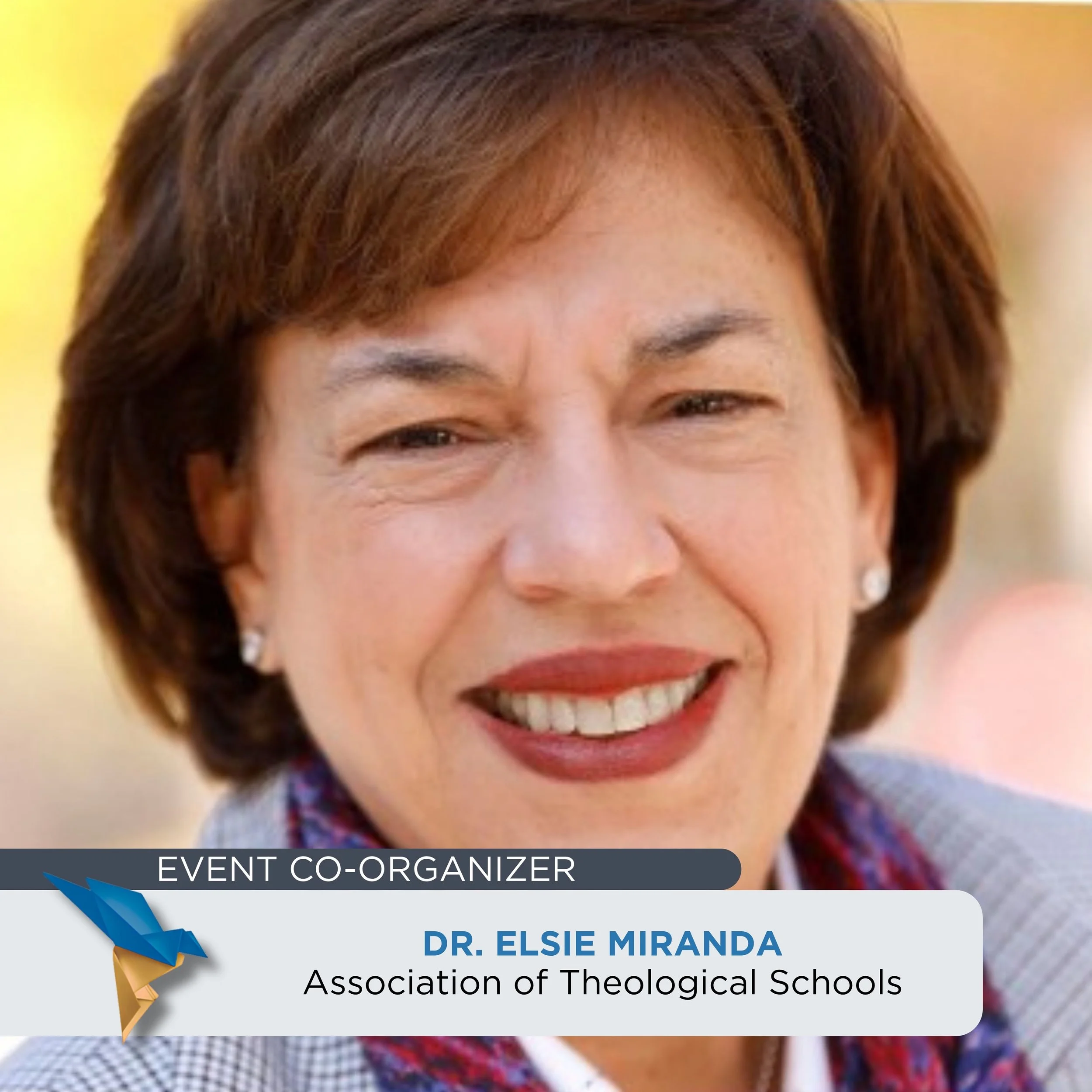
Conference Partner:
Association of Theological Schools (ATS)
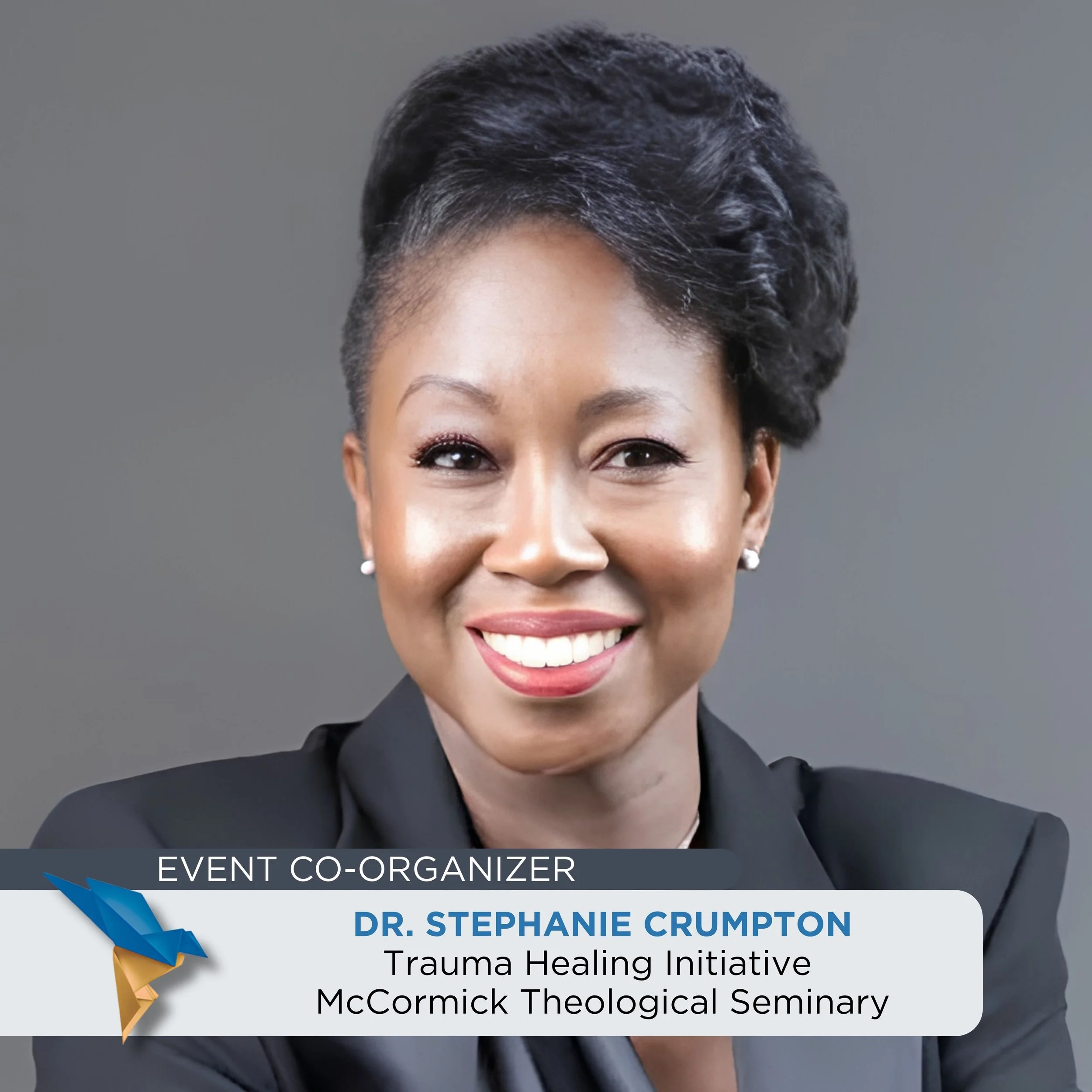
Conference Partner:
Trauma Healing Initiative (THI) at
McCormick Theological Seminary
JOIN OUR EMAIL COMMUNITY
AGENDA
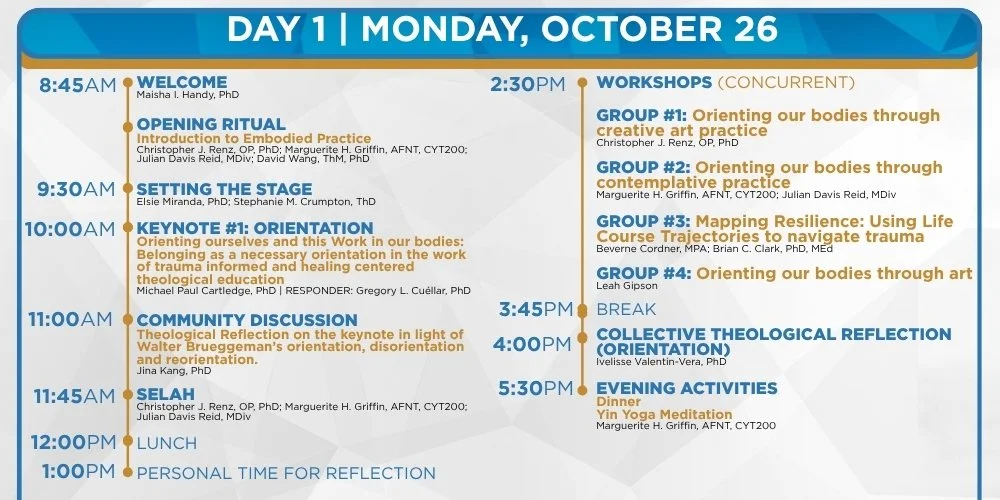
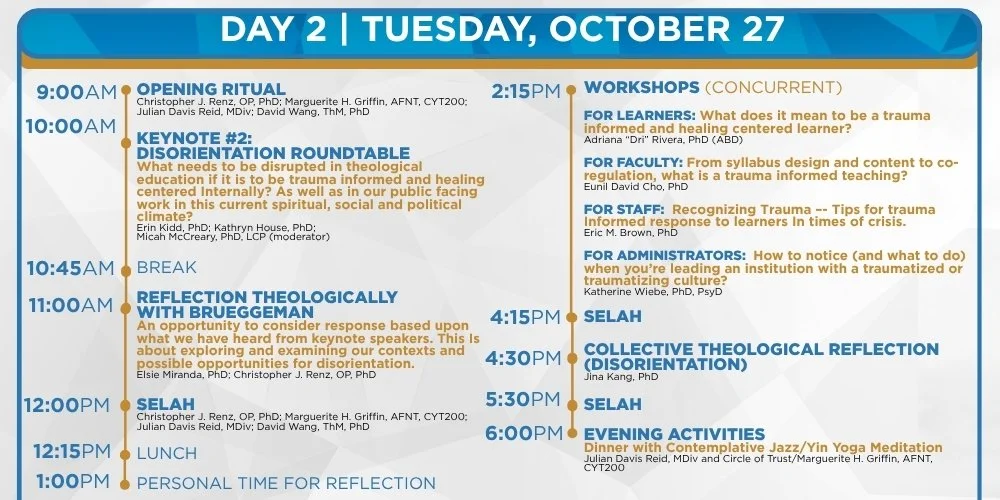
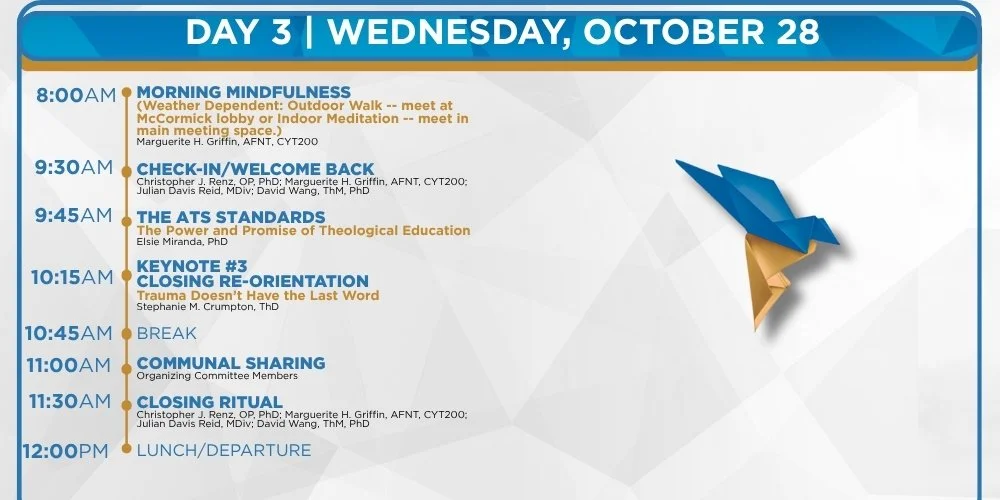
Agenda items subject to change.
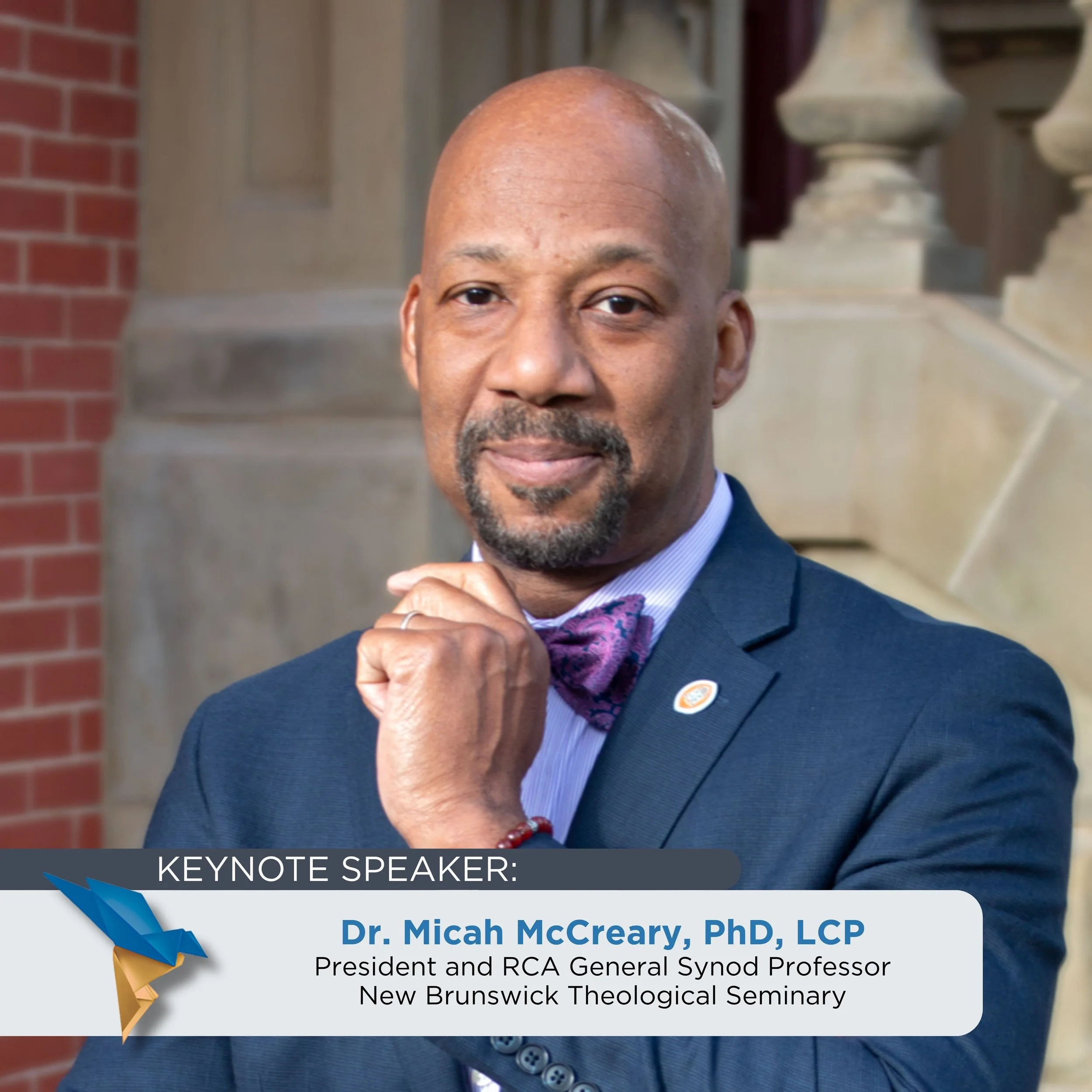
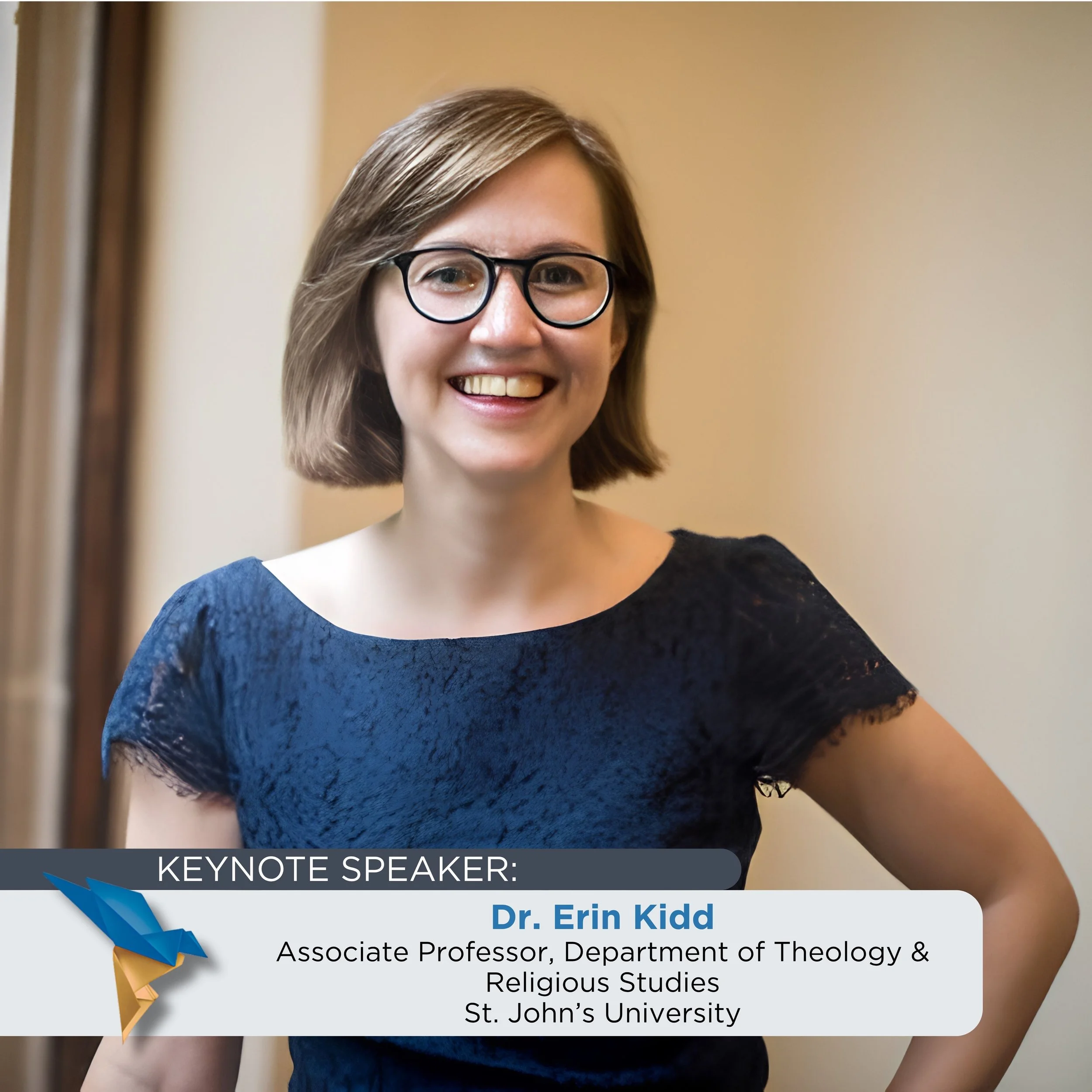
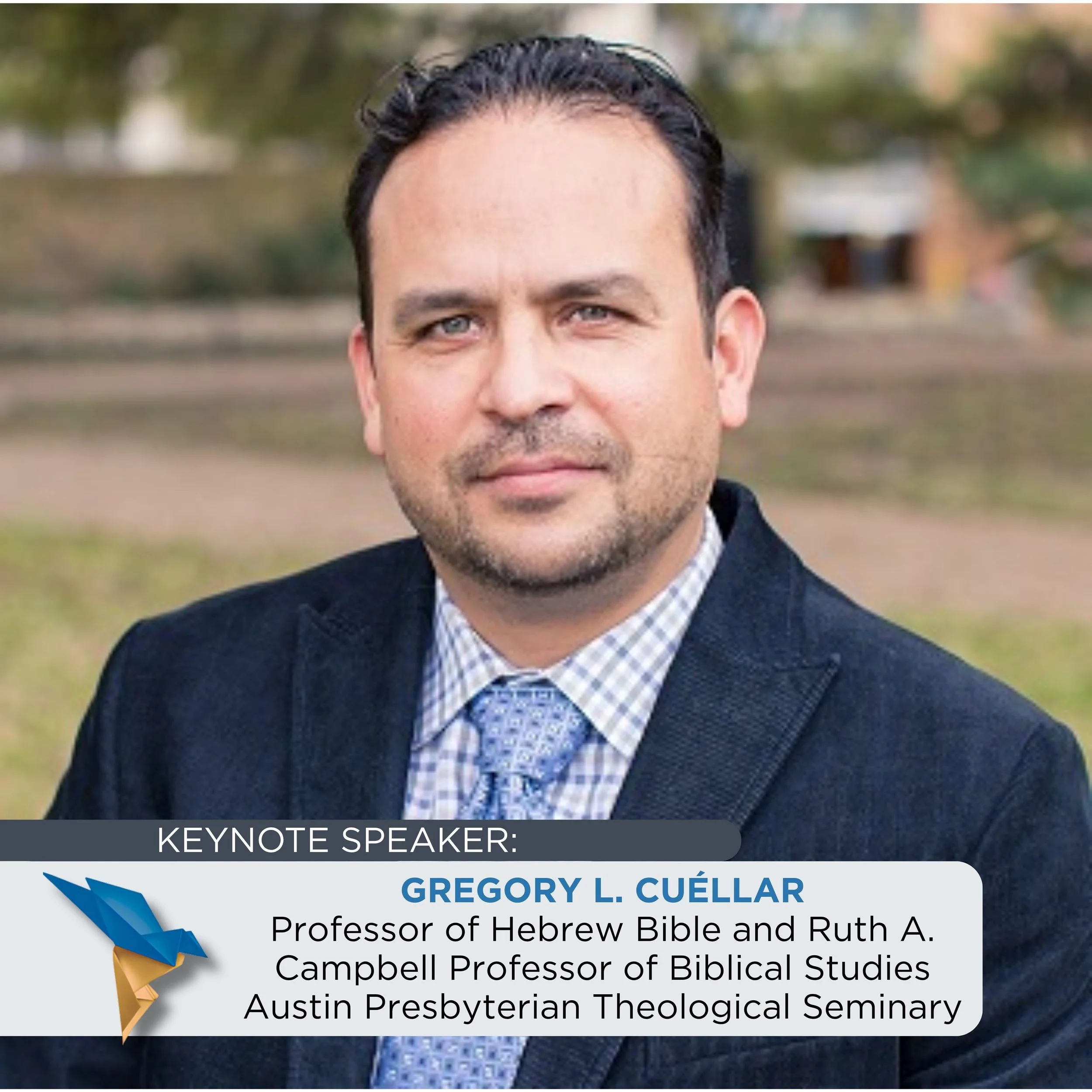
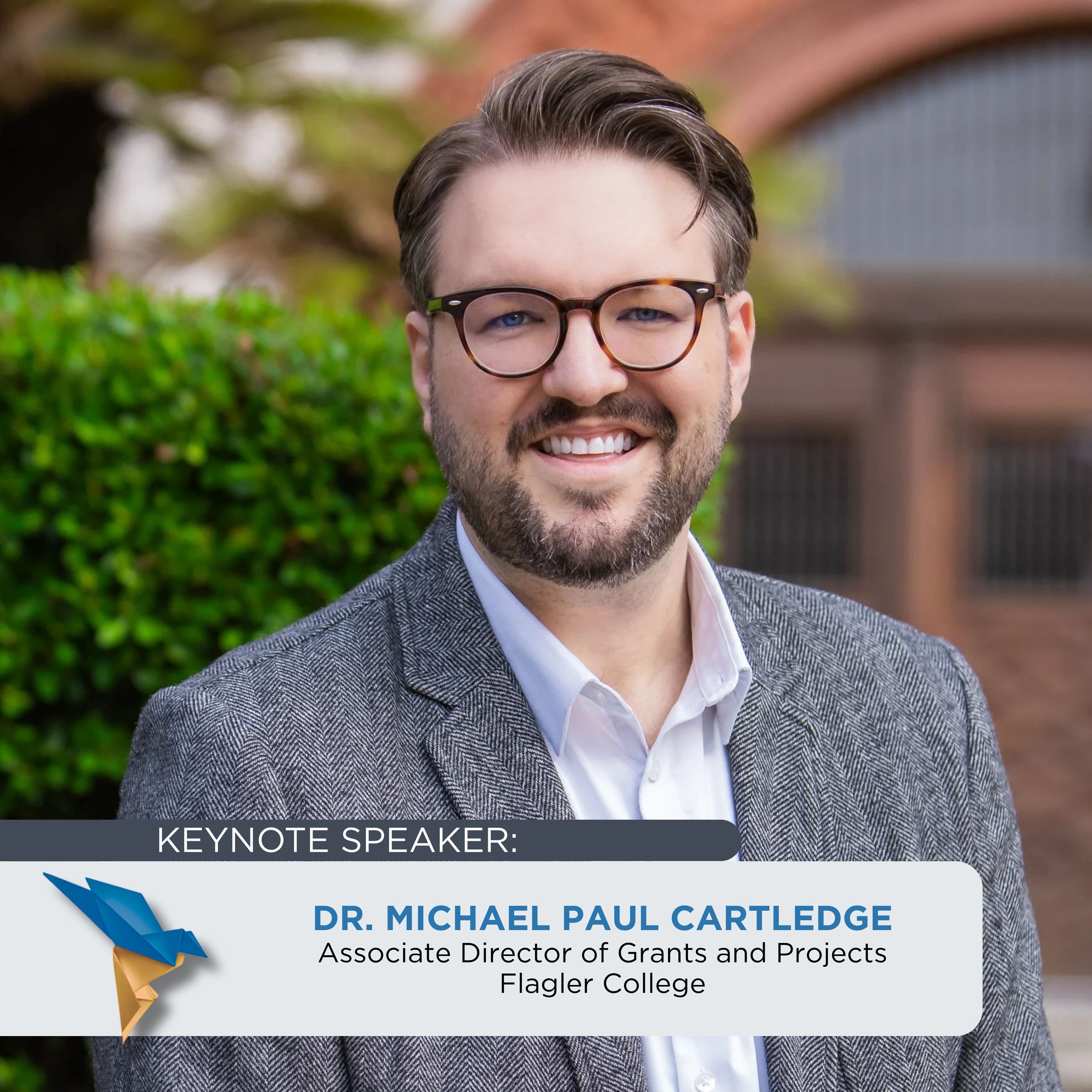
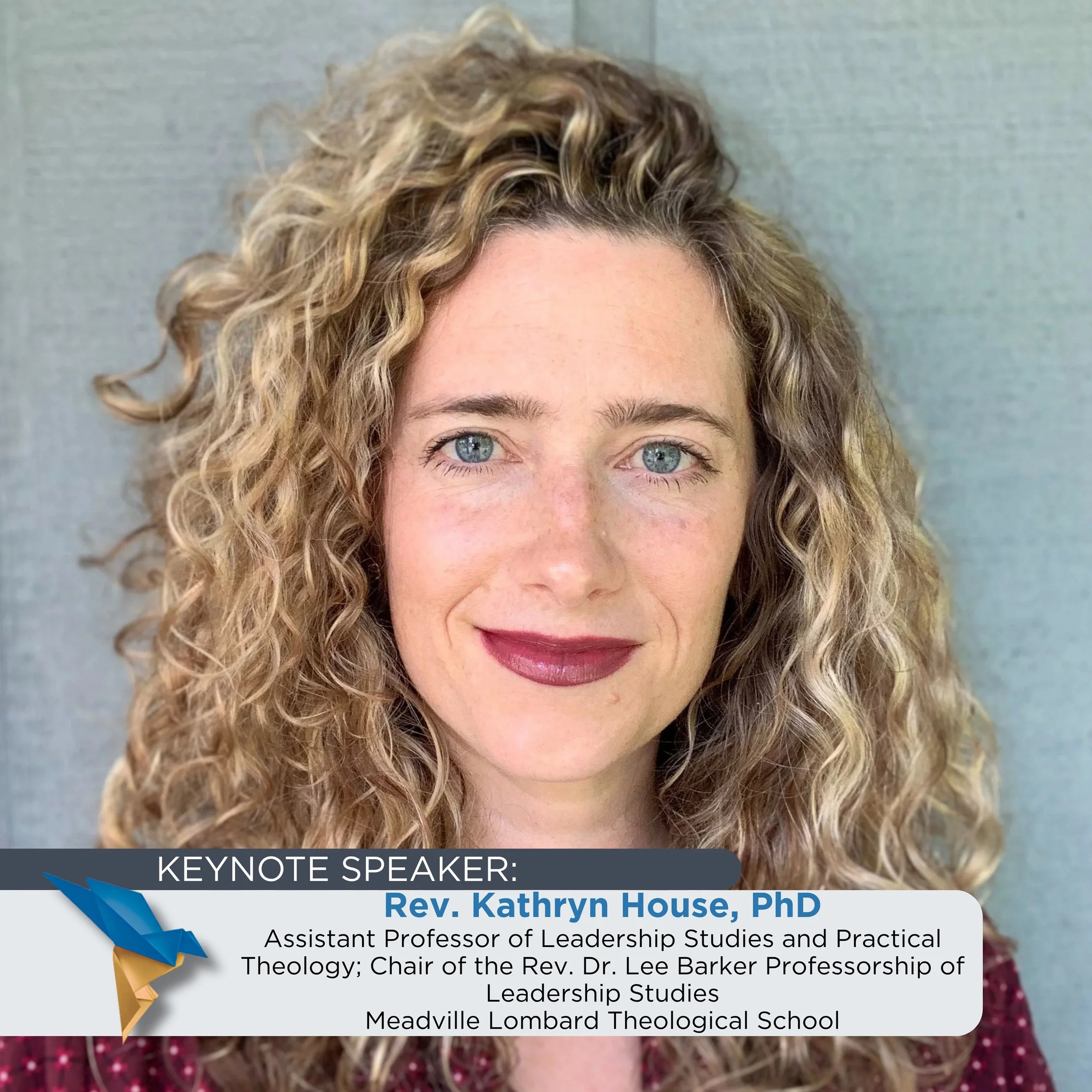
KEYNOTE SPEAKERS
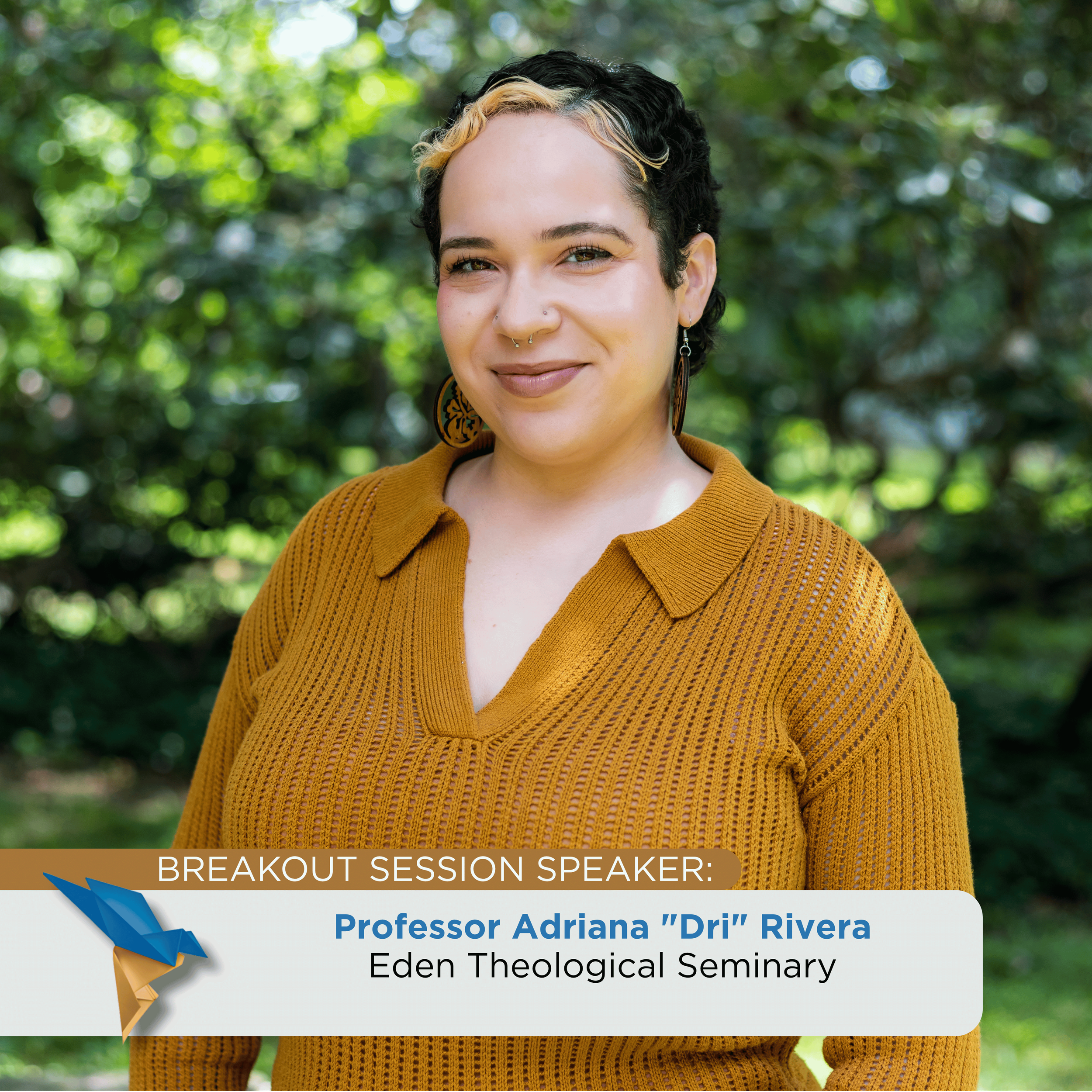
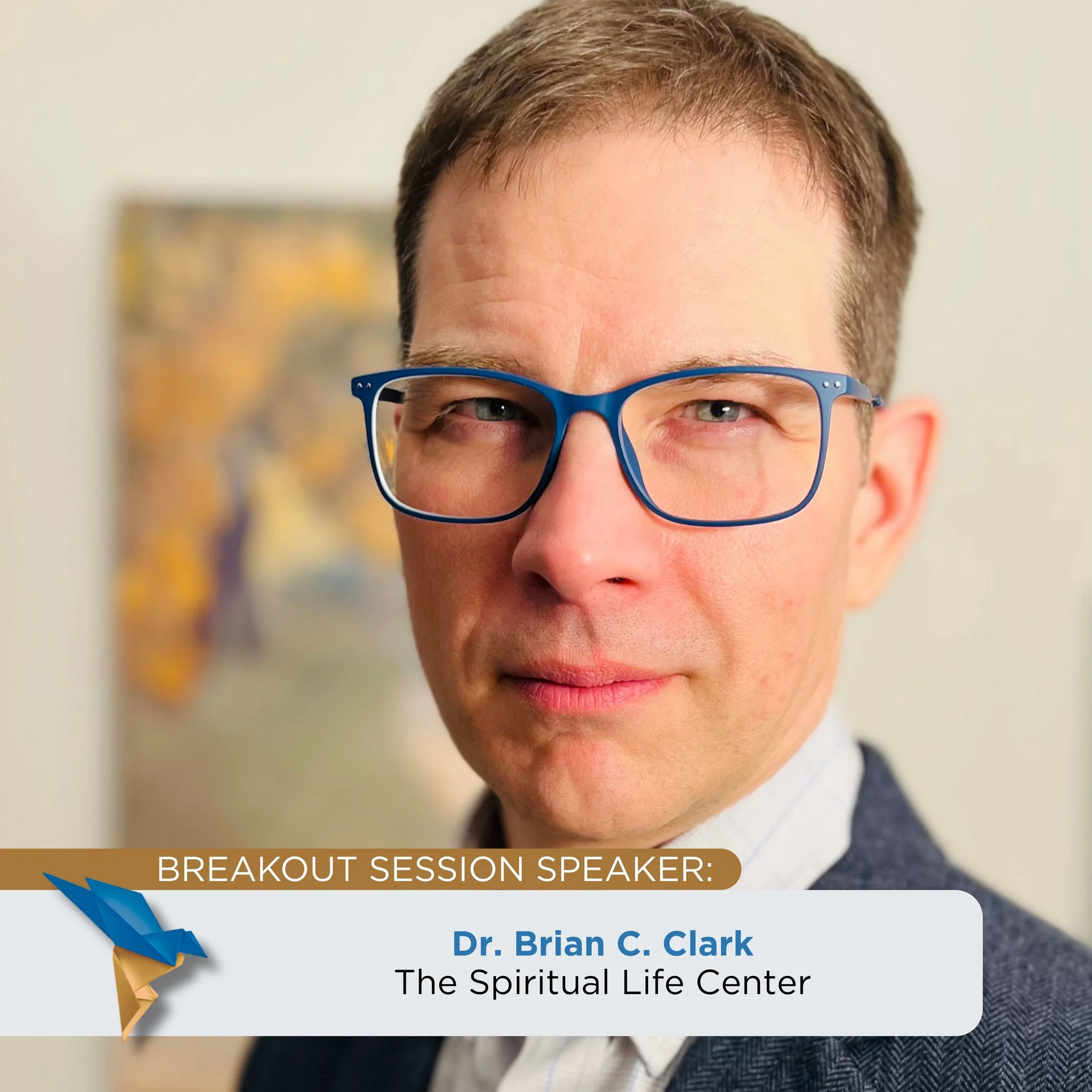
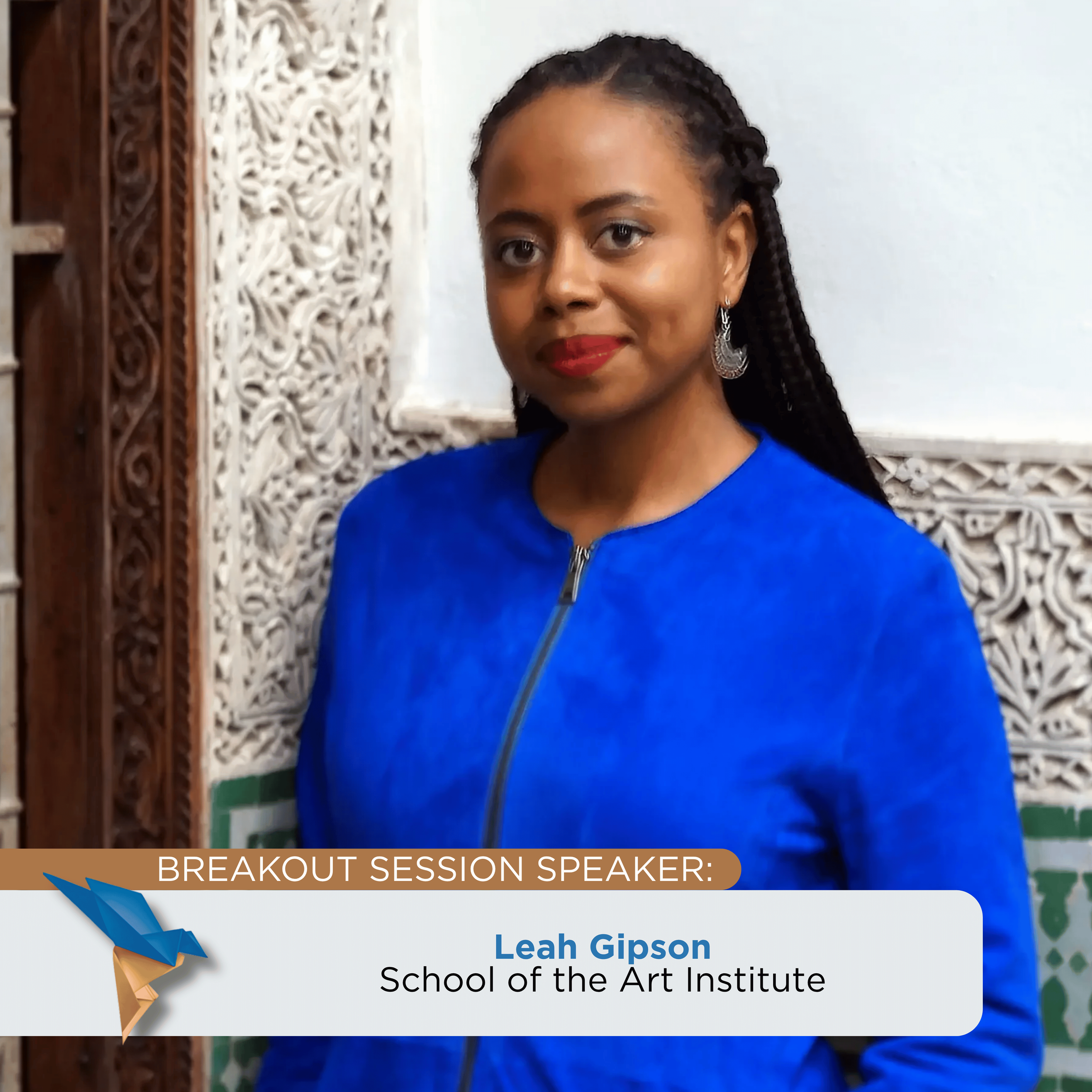
BREAKOUT SESSION SPEAKERS
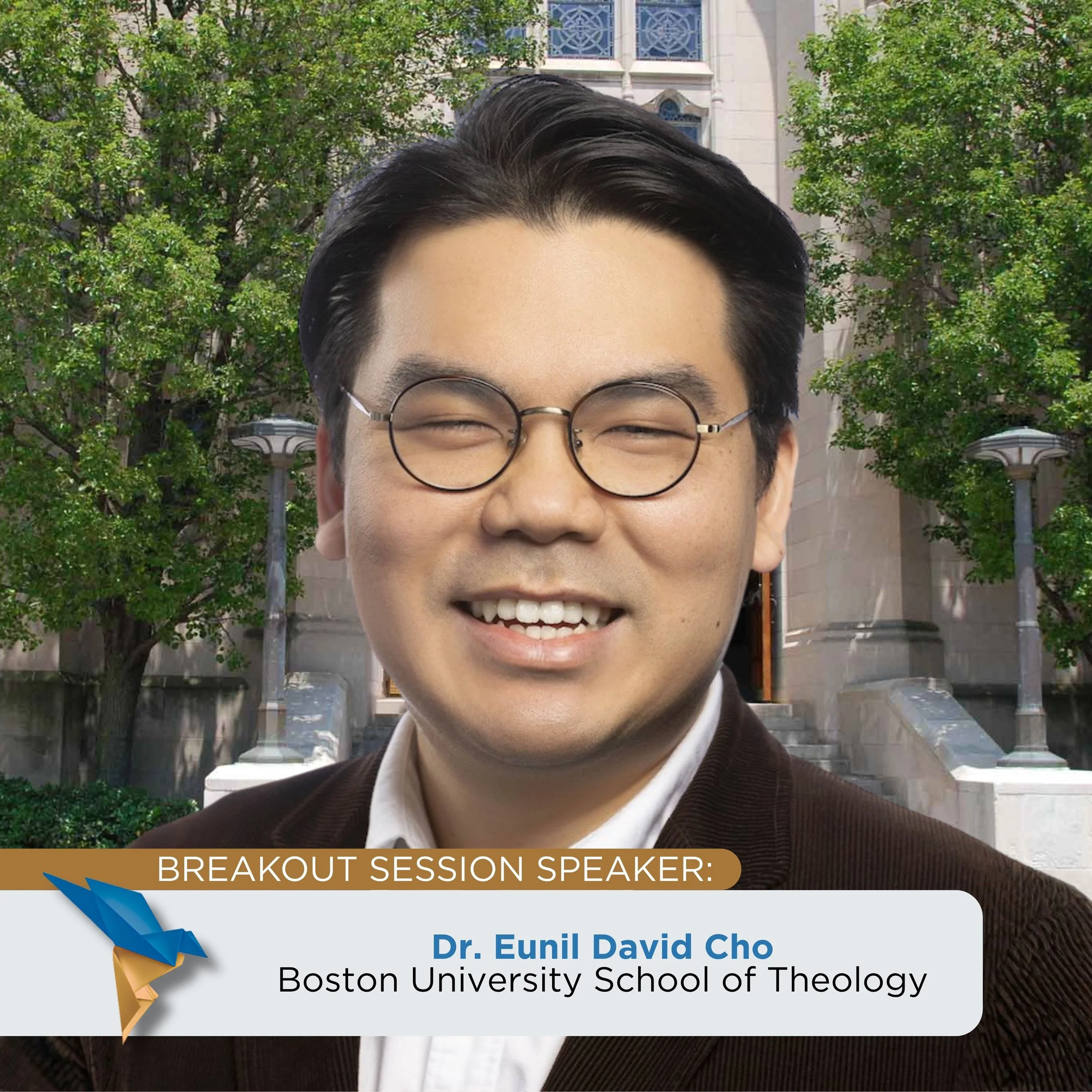
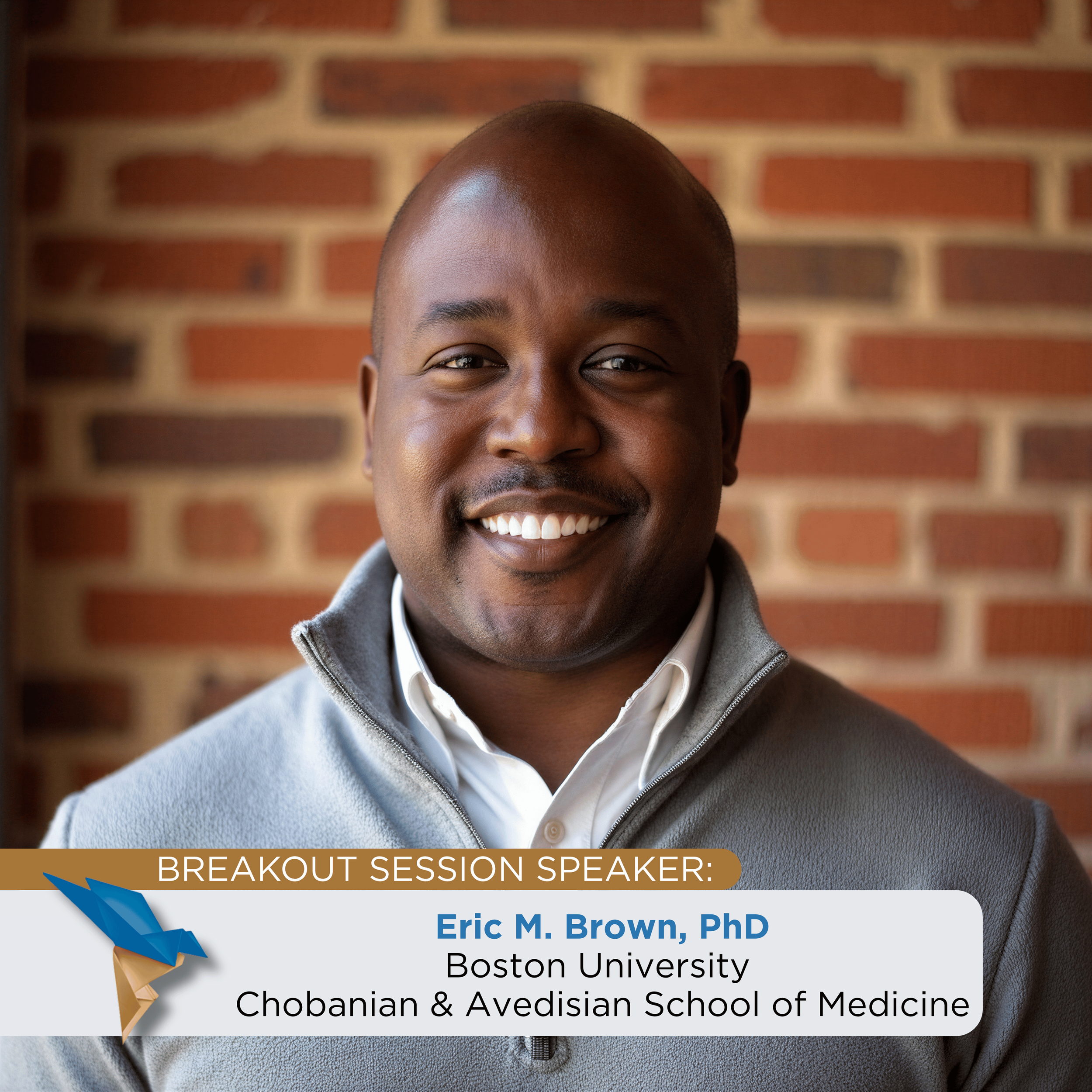
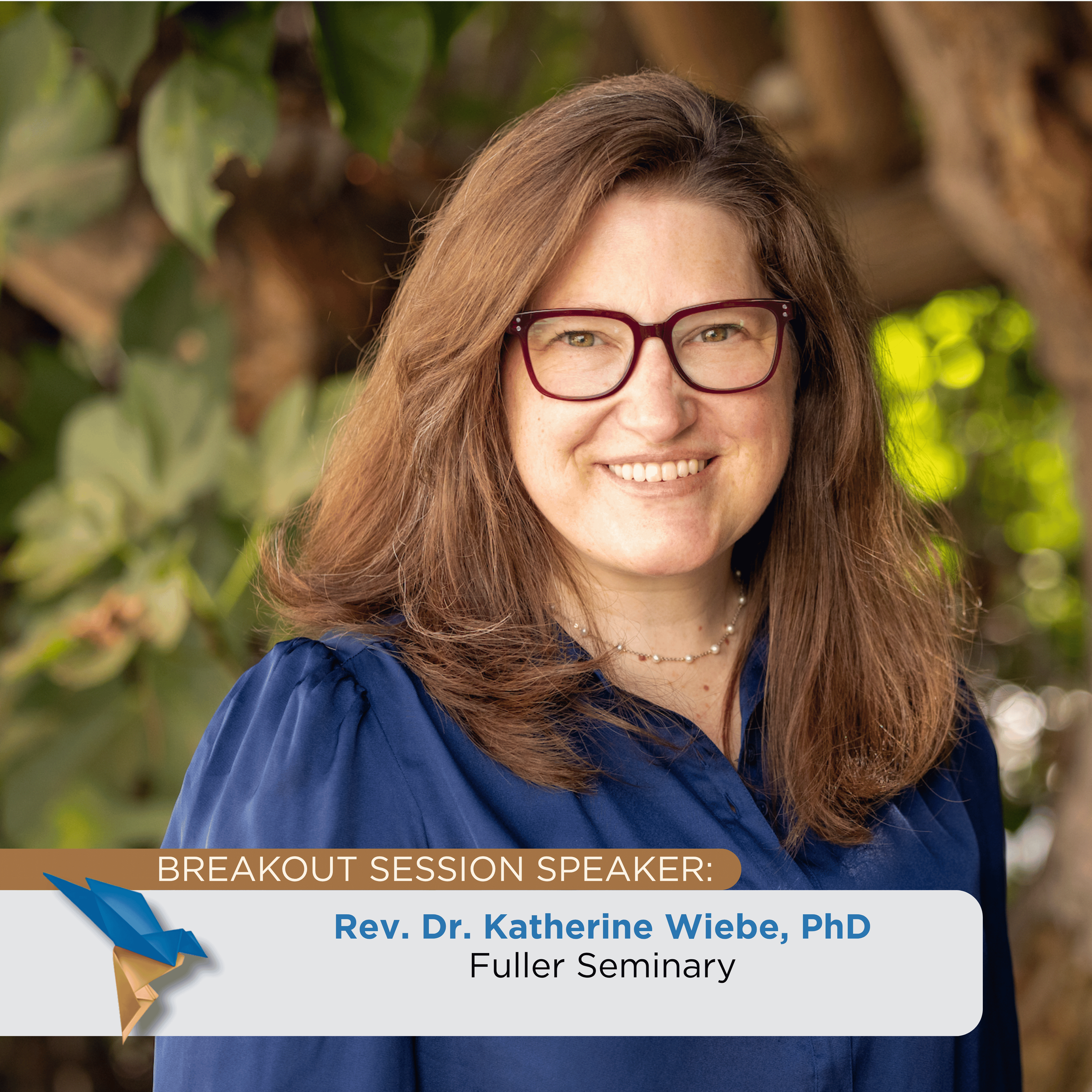
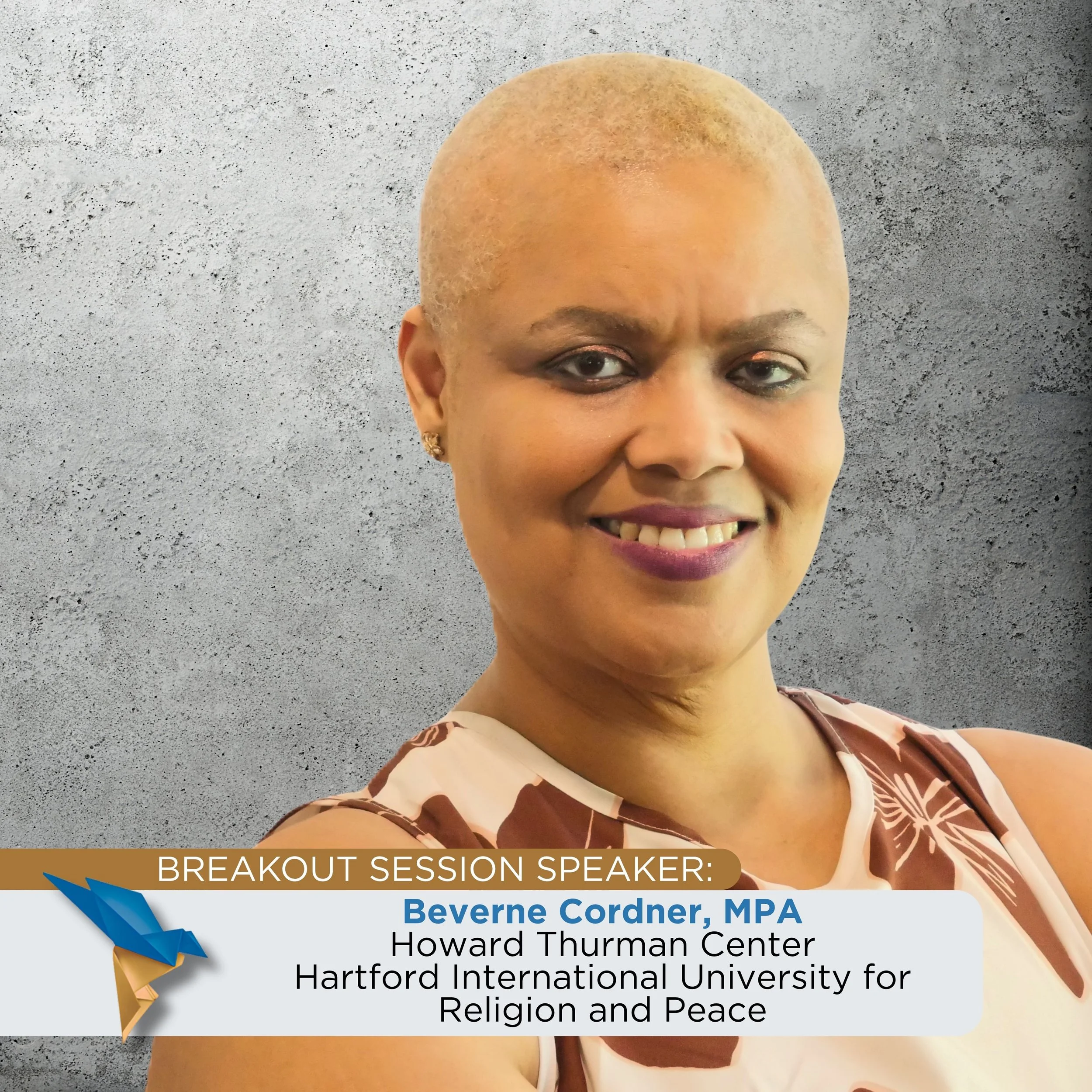
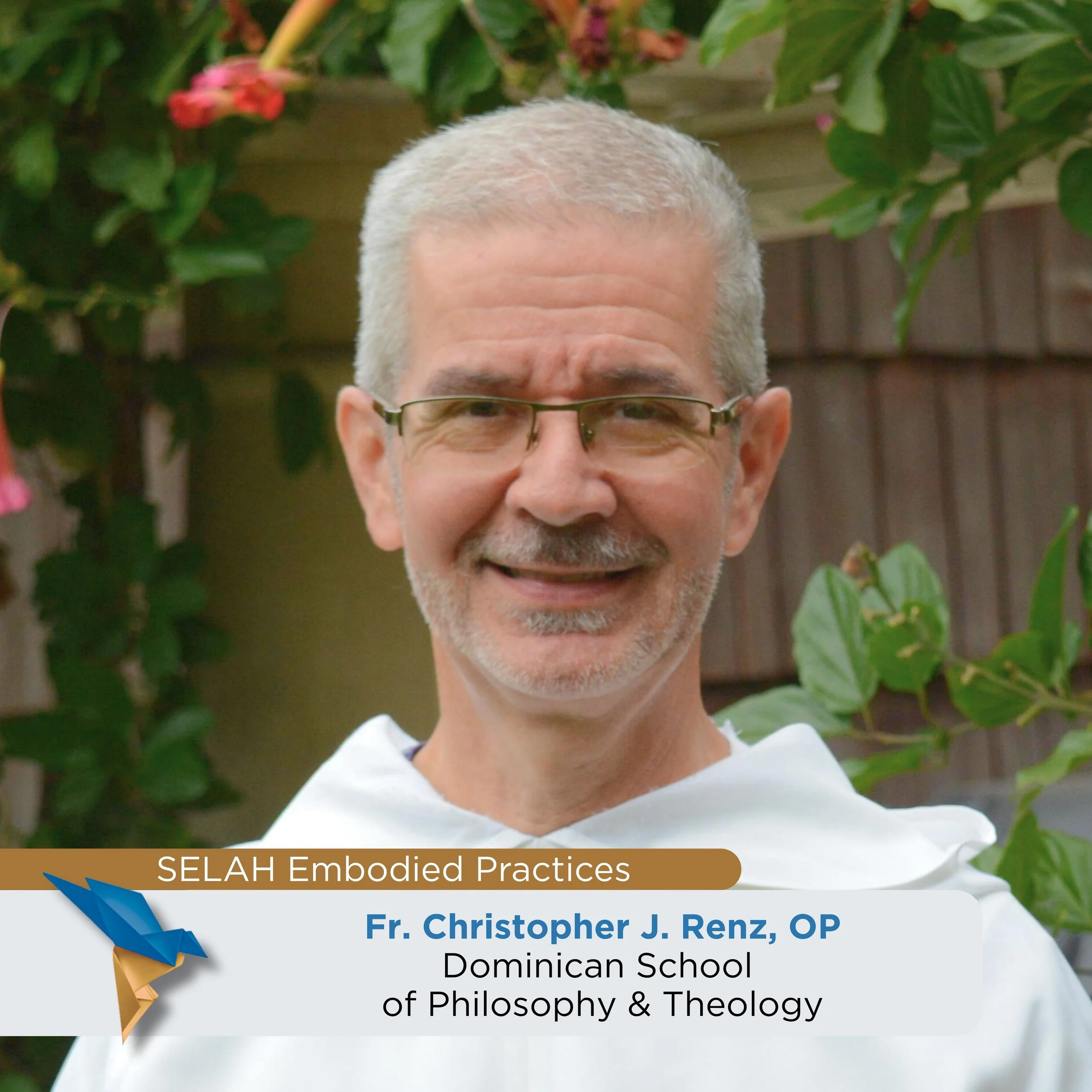
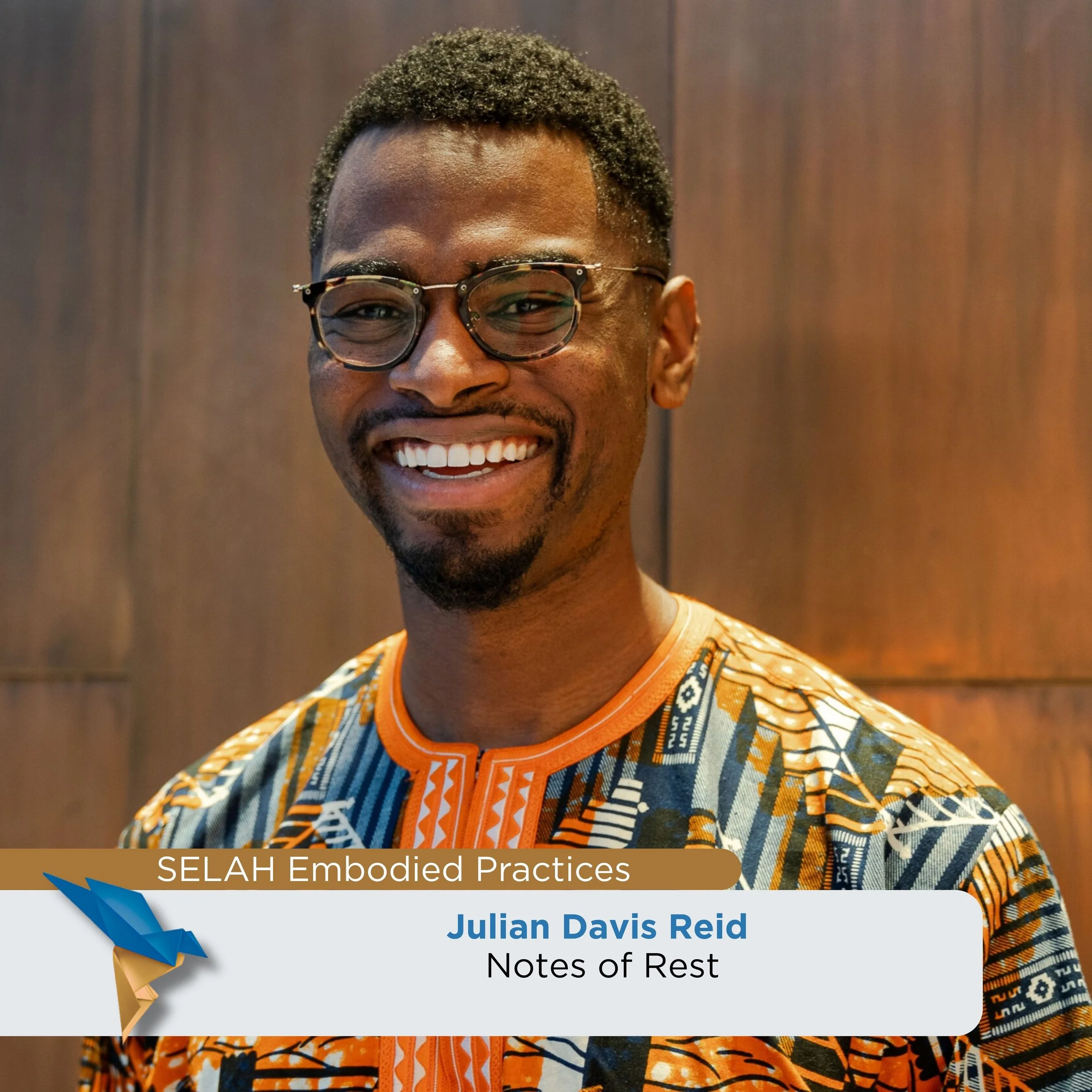
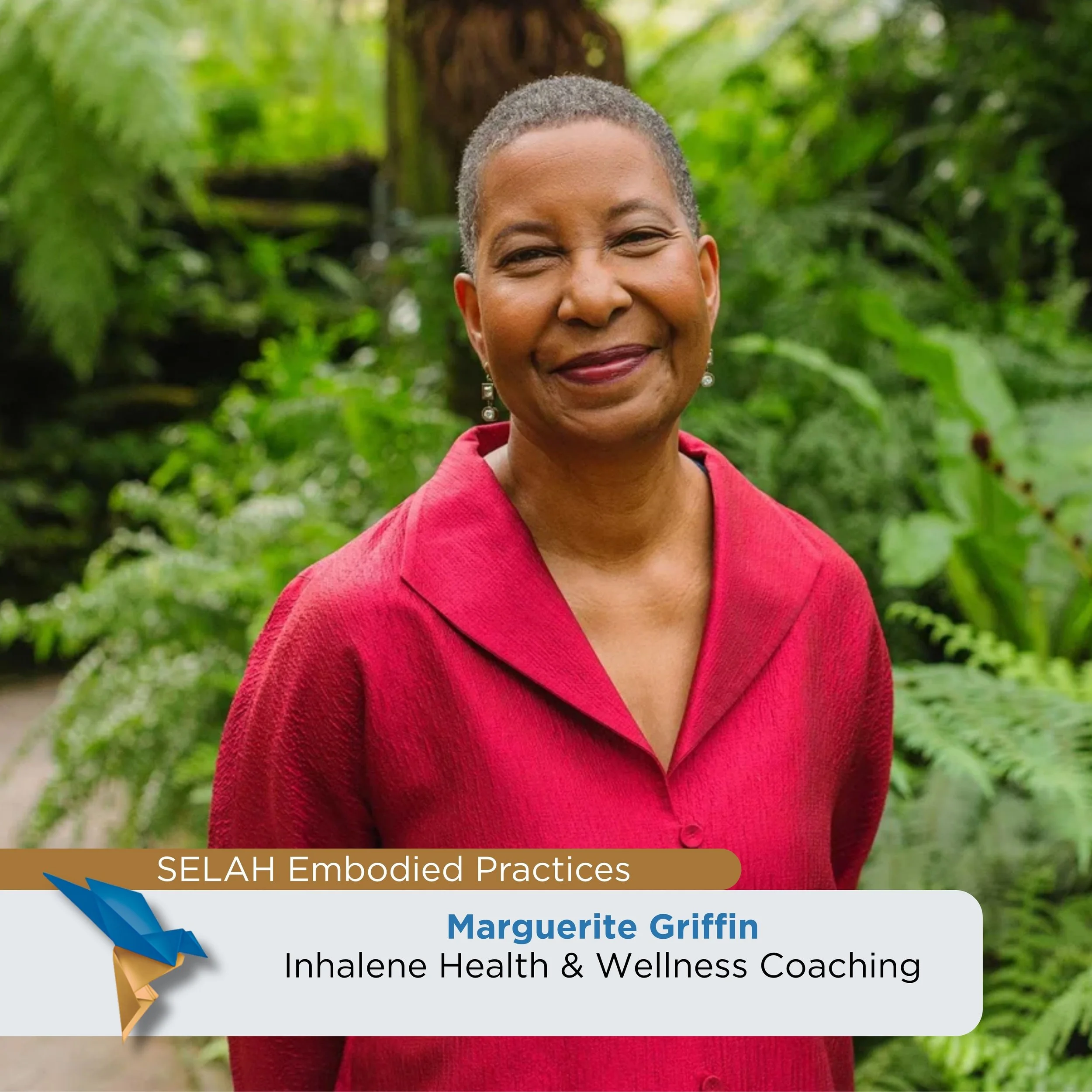
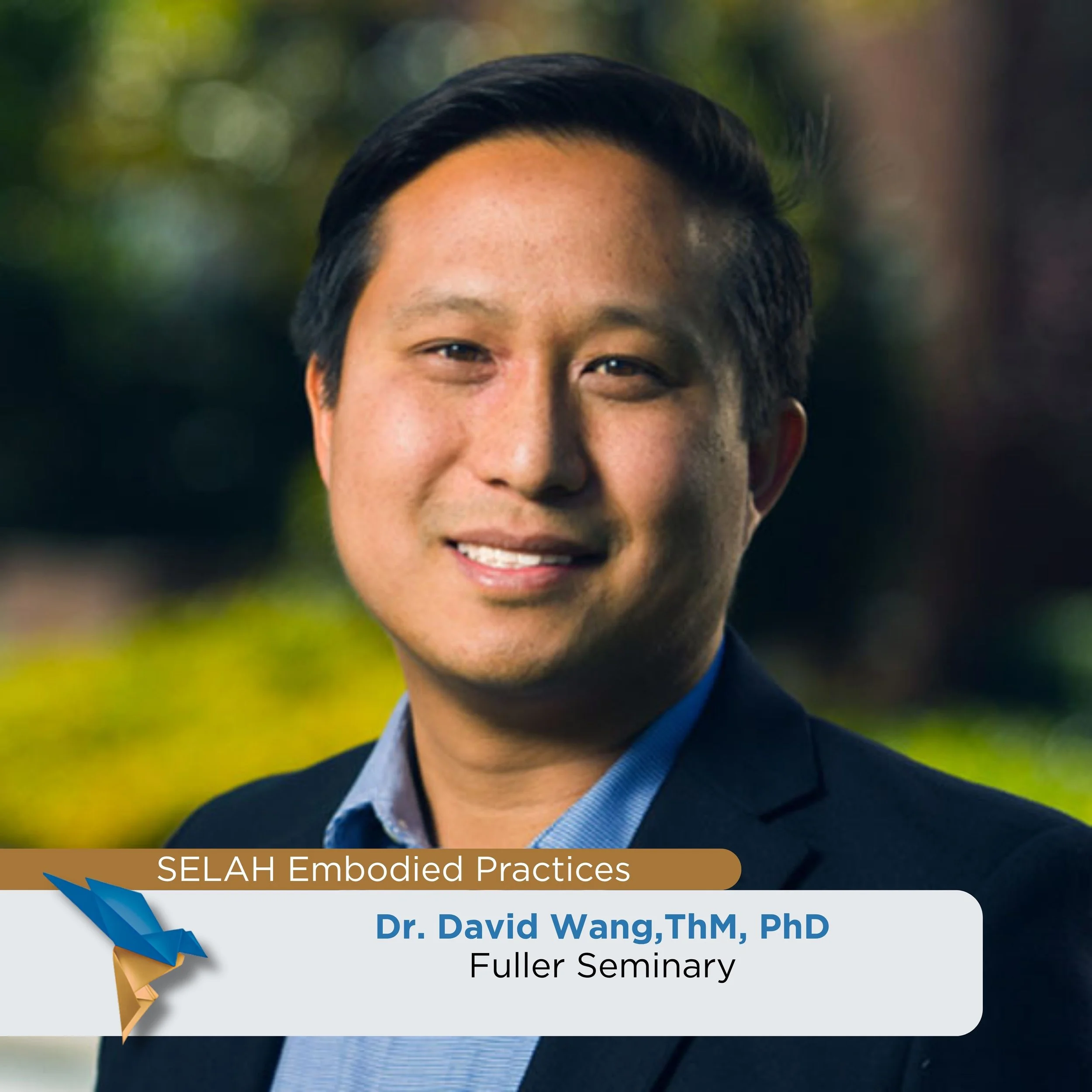
SELAH EMBODIED PRACTICES TEAM
PREPARE FOR THE JOURNEY: NEWS & UPDATES


WHY THIS WORK MATTERS NOW
The realities shaping theological education today are increasingly complex. Across institutions, congregations, and communities, leaders are navigating collective grief, burnout, polarization, institutional strain, and growing questions about vocation, leadership, and communal care.
These challenges are not simply operational concerns. They are deeply formative questions. They influence how we teach, how we lead, how we care for one another, and how we prepare leaders for ministry and service in a rapidly changing world.
At the same time, trauma is no longer a peripheral conversation. Its effects are visible in classrooms, congregations, communities, institutions, and within the lives of those called to serve. The need for practices that cultivate post-traumatic growth, compassion, wisdom, and hope has never been more urgent.